€ 30,50 per month
(of which 50% saving credit)
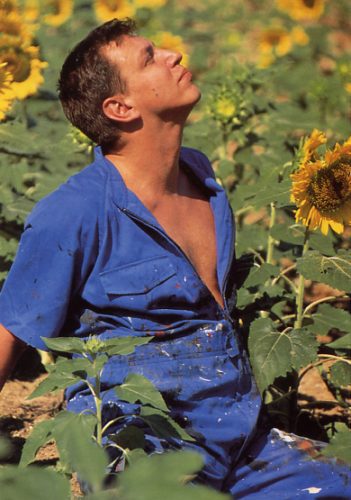
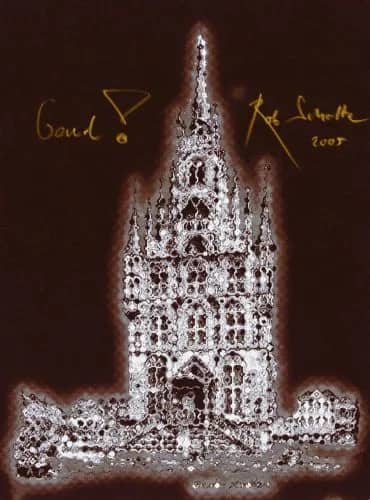
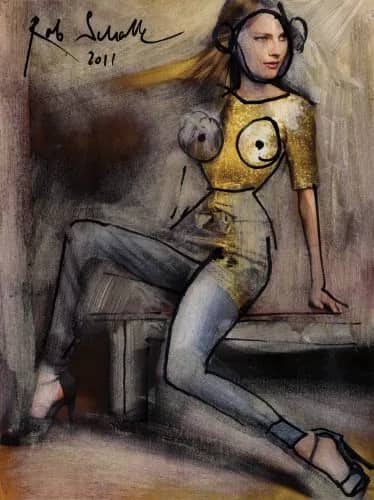
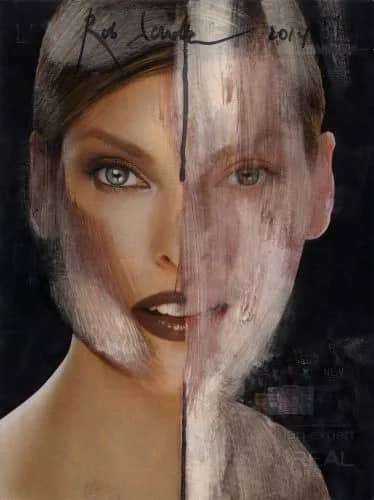
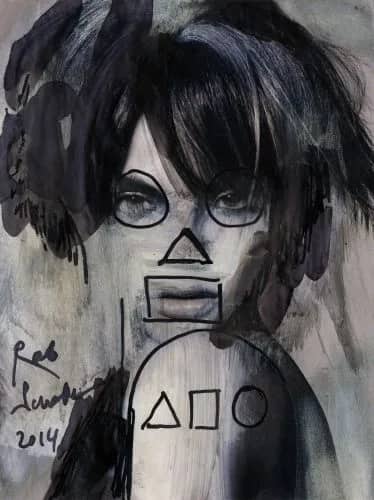
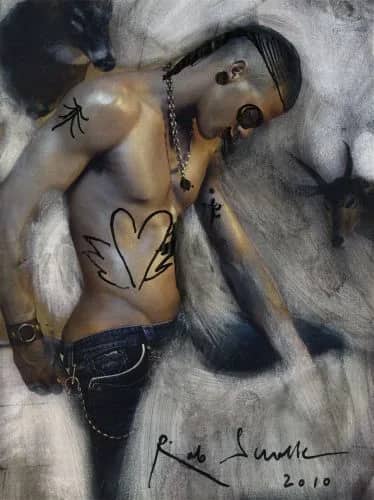
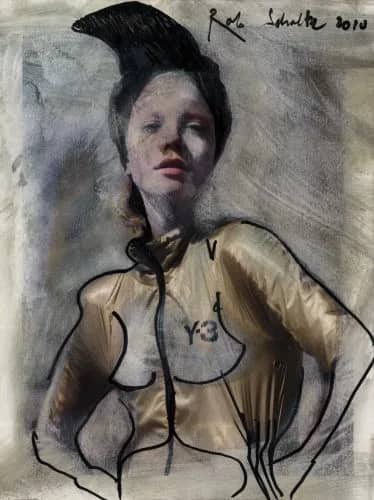
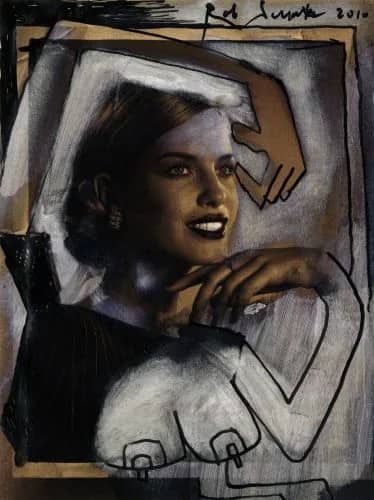
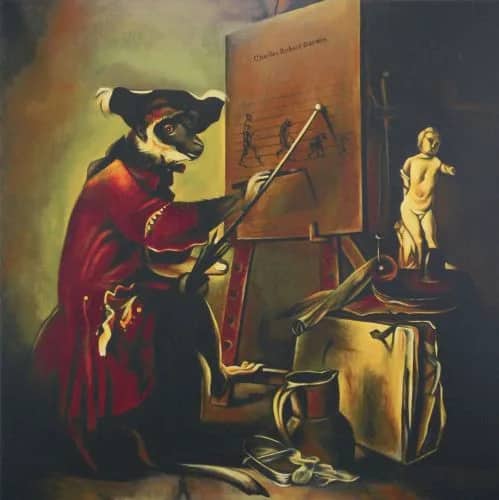
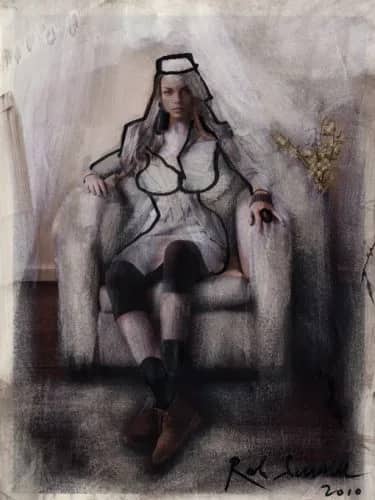
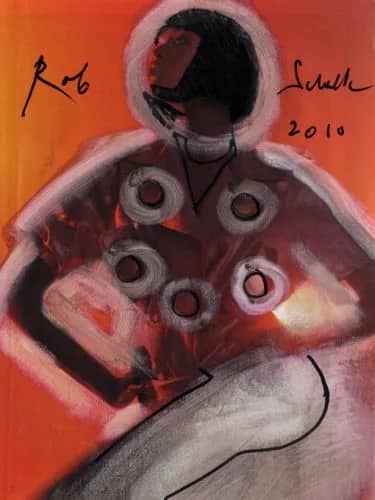
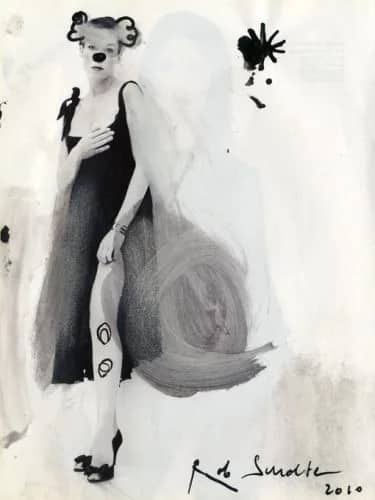
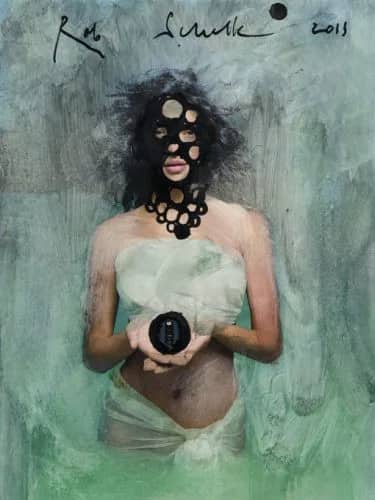
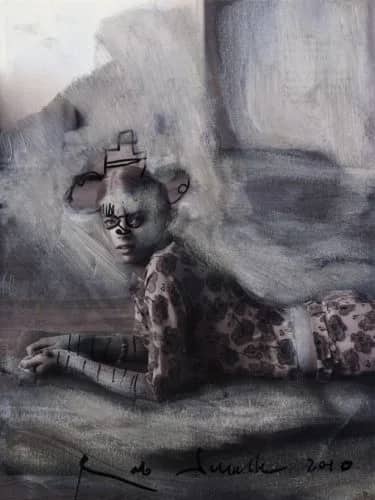
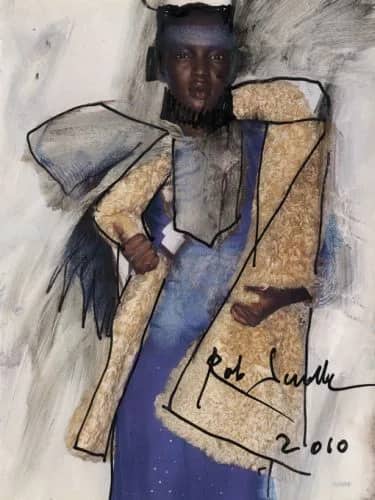
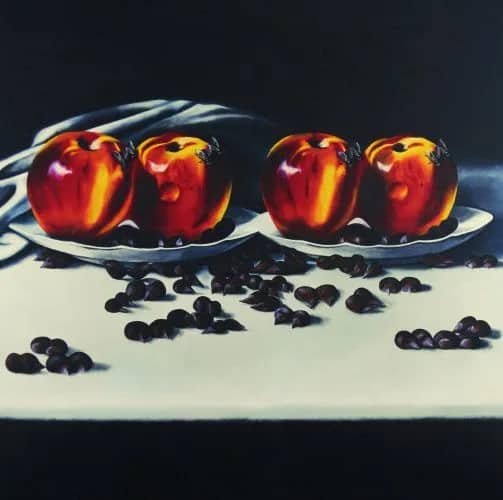
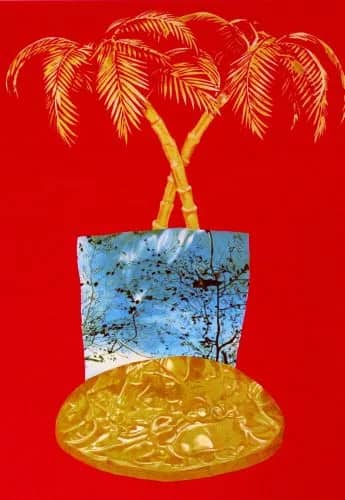
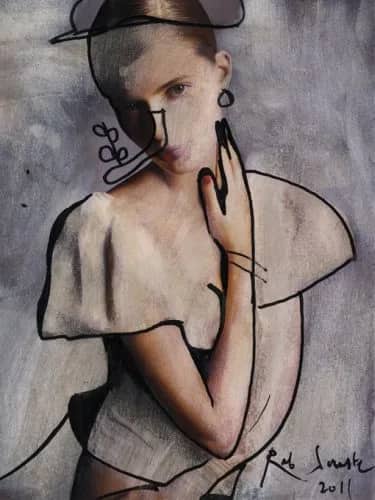
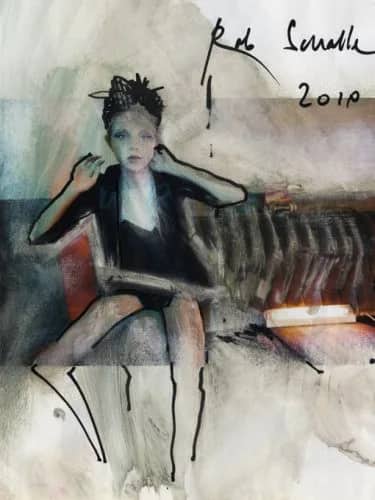
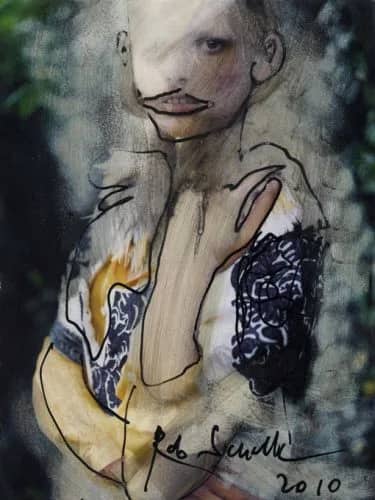
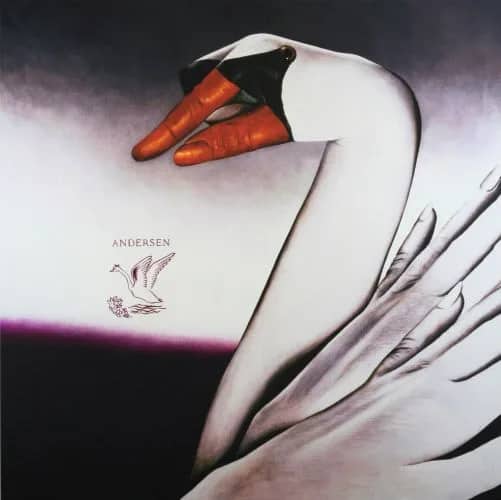
Rent or buy art by Rob Scholte? At Kunstuitleen.nl you can view 75 works by Rob Scholte and try it free at home — with delivery and a hanging service throughout the Netherlands.
75 artworks in our collection
Rob Scholte was born in Amsterdam on June 1, 1958. He lived successively in Castricum, Doorn, and Heiloo. He attended the Gerrit Rietveld Academy from 1977 to 1982 and subsequently became a member of the Warmoesstraat 139 artists’ collective. His studio was located on Laurierstraat, in the building that housed the private gallery The Livingroom until 1993. Scholte held his first exhibition there in 1984.
In his heyday as an artist, Scholte was a familiar figure in Amsterdam’s nightlife. He led a wild life filled with alcohol, drugs, and women. The lives of Scholte and other Amsterdam artists, such as Peter Klashorst, served as a source of inspiration for the novel *Gimmick!* (1989) by Joost Zwagerman.
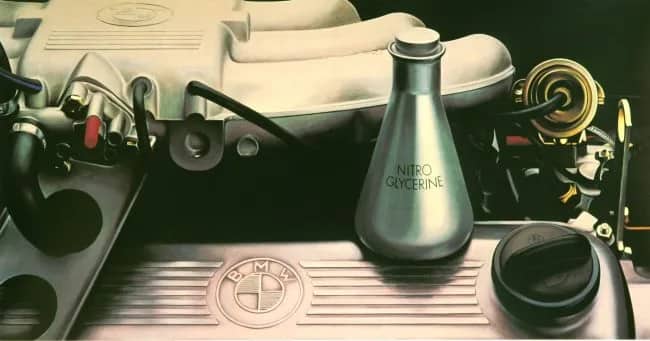
In 1993, Rob Scholte became a professor at the University of Kassel (a position he resigned from in 1999). In 1994, tragedy struck Rob Scholte. A bomb attack cost him both his legs and led to much speculation. The wreckage of his BMW was exhibited in January 1995 at Arti et Amicitae as part of the exhibition *Bits and Pieces*. The torn-open and burned-out car is an indictment of violence in society—an icon of terror, crime, and art.
After the attack, he moved to Tenerife, where he works in his studio like a hermit, yet he is also a man of the world. He actively participates in the international art scene. His work is sold through galleries and recognized auction houses such as Christie’s Amsterdam and Sotheby’s, and even online.
Rob Scholte produced his greatest body of work and achieved his greatest feat in 1995 in Japan. In Nagasaki, Japan, a Dutch village has been recreated, complete with a replica of Huis ten Bosch Palace. Here, Scholte is working on a 1,200-meter-long mural titled “The Netherlands,” which he designed himself.
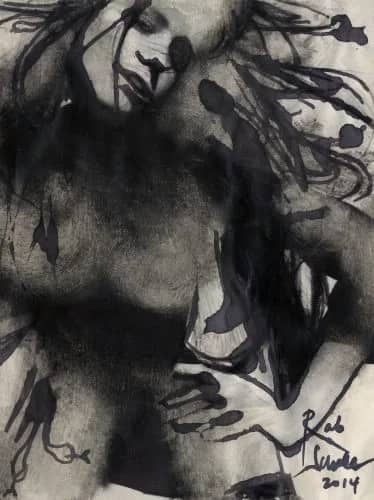
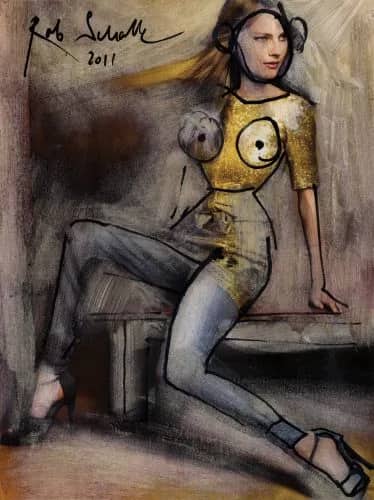
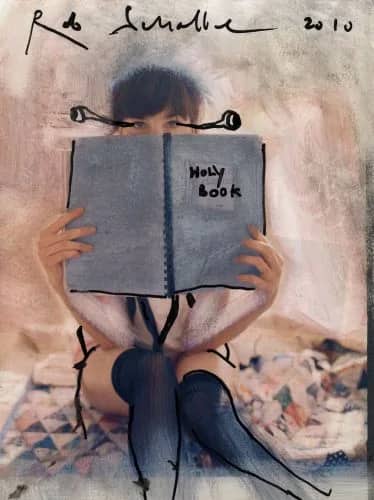
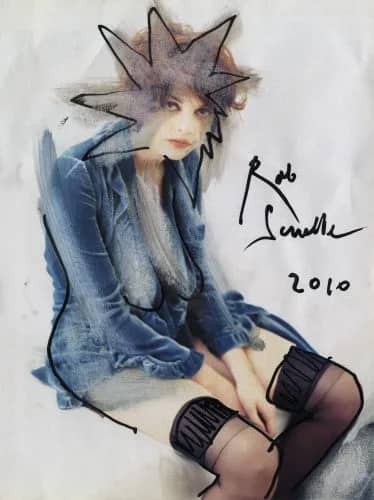
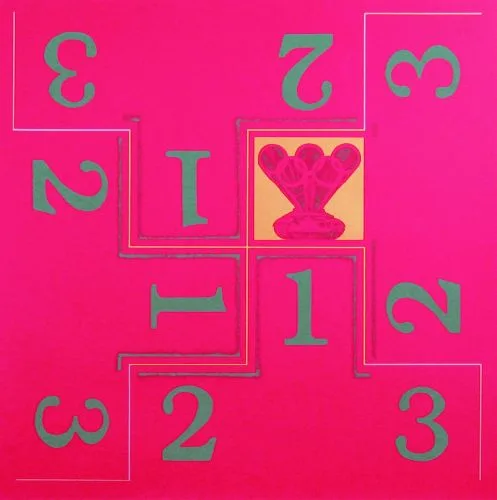
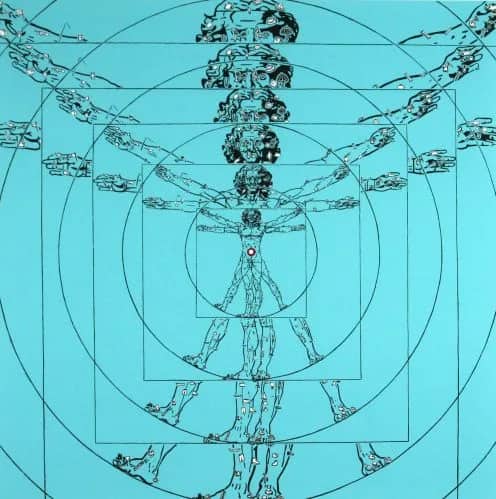
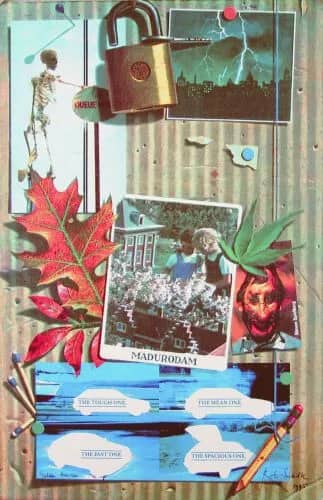
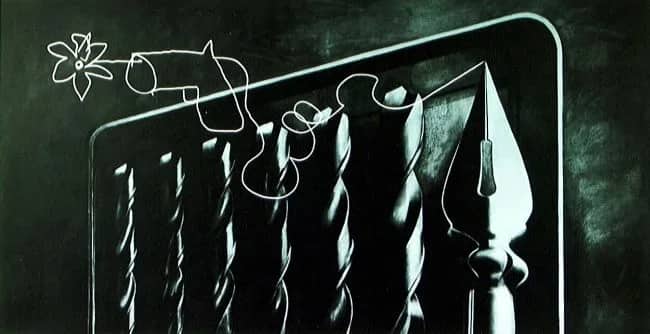
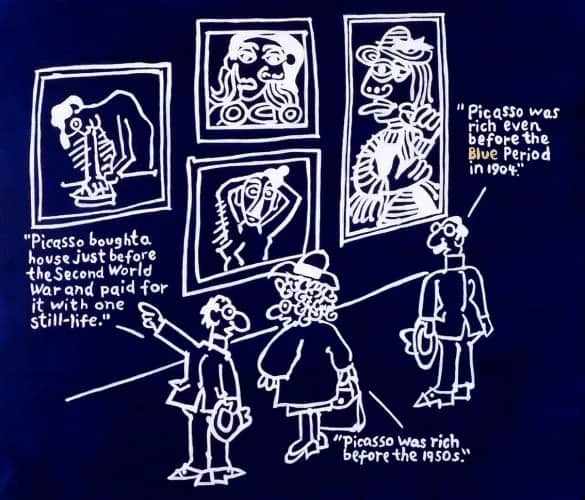
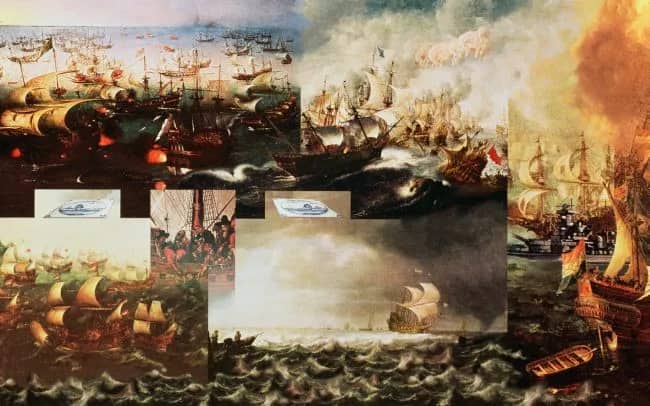
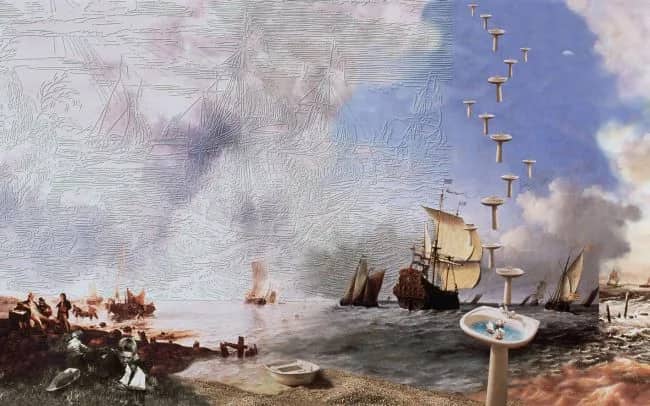
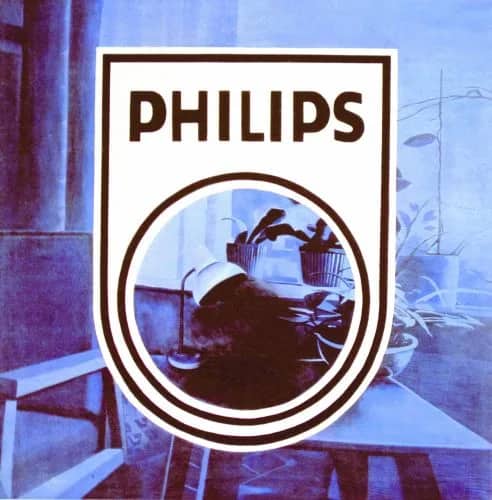
Rob Scholte does not want to be an artist who, in the isolation of his studio, engages in deeply felt, highly personal expression. In his view, art must convey a message. It can only do so if it makes use of the visual language that surrounds us everywhere. In this barrage of images, the distinction between art and kitsch no longer applies. But Scholte’s paintings are more than just visual jokes; they often have a double or triple meaning. Rob Scholte’s paintings usually contain autobiographical elements; in some paintings, these are more clearly discernible than in others. Each painting has its own set of rules. Theme, composition, color, and tension together form the set of rules that, according to Scholte, every work must adhere to in order to be good. Humor is also an important element in Rob Scholte’s work. And, according to him, this should not be confused with mockery. “I take things very seriously. But serious matters always have a humorous side as well. I find humor important. It’s a part of art that I love. There’s no deep philosophy underlying my work. To me, Laurel and Hardy are greater philosophers than, say, Wittgenstein. Their humor offers a kind of liberation. I use that element in my work.”
€ 30,50 per month
(of which 50% saving credit)
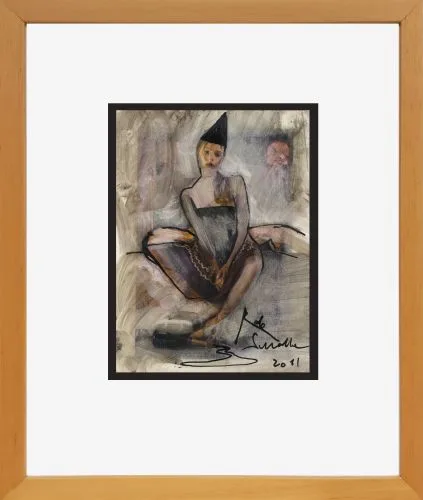
€ 30,50 per month
(of which 50% saving credit)
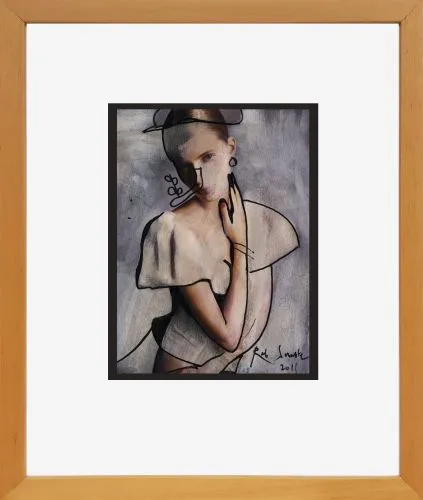
€ 30,50 per month
(of which 50% saving credit)
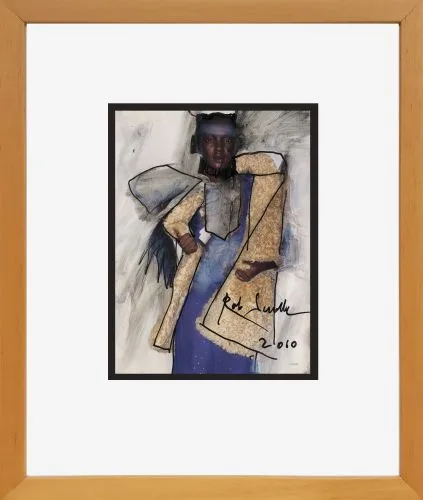
€ 30,50 per month
(of which 50% saving credit)
€ 37,21 per month
(of which 50% saving credit)
€ 37,21 per month
(of which 50% saving credit)
€ 37,21 per month
(of which 50% saving credit)
€ 37,21 per month
(of which 50% saving credit)
€ 37,21 per month
(of which 50% saving credit)
€ 37,21 per month
(of which 50% saving credit)
€ 37,21 per month
(of which 50% saving credit)
€ 37,21 per month
(of which 50% saving credit)
€ 37,21 per month
(of which 50% saving credit)
€ 37,21 per month
(of which 50% saving credit)
€ 37,21 per month
(of which 50% saving credit)
€ 37,21 per month
(of which 50% saving credit)
€ 41,75 per month
(of which 50% saving credit)
€ 37,21 per month
(of which 50% saving credit)
€ 37,21 per month
(of which 50% saving credit)
€ 37,21 per month
(of which 50% saving credit)
€ 37,21 per month
(of which 50% saving credit)
€ 37,21 per month
(of which 50% saving credit)
€ 37,21 per month
(of which 50% saving credit)
€ 41,75 per month
(of which 50% saving credit)
€ 26,32 per month
(of which 50% saving credit)
€ 41,75 per month
(of which 50% saving credit)
€ 41,75 per month
(of which 50% saving credit)
€ 41,75 per month
(of which 50% saving credit)
€ 41,75 per month
(of which 50% saving credit)
€ 49,91 per month
(of which 50% saving credit)
€ 39,13 per month
(of which 50% saving credit)
€ 39,93 per month
(of which 50% saving credit)
€ 27,81 per month
(of which 50% saving credit)
€ 27,81 per month
(of which 50% saving credit)
€ 27,81 per month
(of which 50% saving credit)
€ 27,81 per month
(of which 50% saving credit)
€ 27,81 per month
(of which 50% saving credit)
€ 27,81 per month
(of which 50% saving credit)
€ 27,81 per month
(of which 50% saving credit)
€ 27,81 per month
(of which 50% saving credit)
€ 27,81 per month
(of which 50% saving credit)
€ 27,81 per month
(of which 50% saving credit)
€ 27,81 per month
(of which 50% saving credit)
€ 37,21 per month
(of which 50% saving credit)
€ 37,21 per month
(of which 50% saving credit)
€ 37,21 per month
(of which 50% saving credit)
€ 37,21 per month
(of which 50% saving credit)
€ 37,21 per month
(of which 50% saving credit)
€ 152,46 per month
(of which 50% saving credit)
€ 41,75 per month
(of which 50% saving credit)
€ 41,75 per month
(of which 50% saving credit)
€ 41,75 per month
(of which 50% saving credit)
€ 26,14 per month
(of which 50% saving credit)
€ 35,39 per month
(of which 50% saving credit)
€ 35,39 per month
(of which 50% saving credit)
€ 35,39 per month
(of which 50% saving credit)
€ 35,39 per month
(of which 50% saving credit)
€ 41,75 per month
(of which 50% saving credit)
€ 41,75 per month
(of which 50% saving credit)
€ 41,75 per month
(of which 50% saving credit)
Discover more at Kunstuitleen.nl: Collection · Artists · How it works · Art for business