€ 54,45 per month
(of which 50% saving credit)

Artist
Jan Cremer
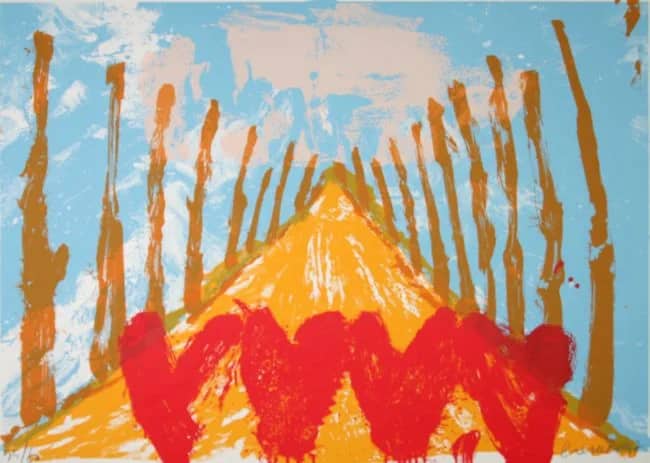
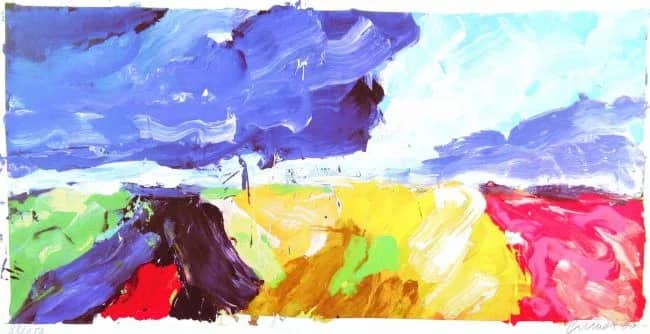
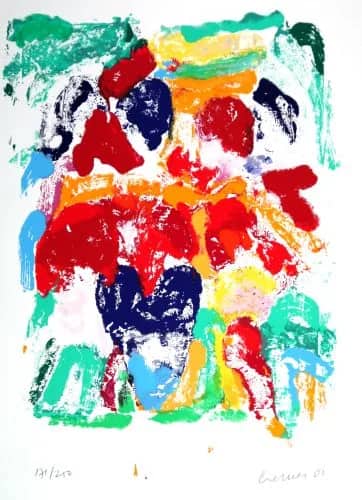
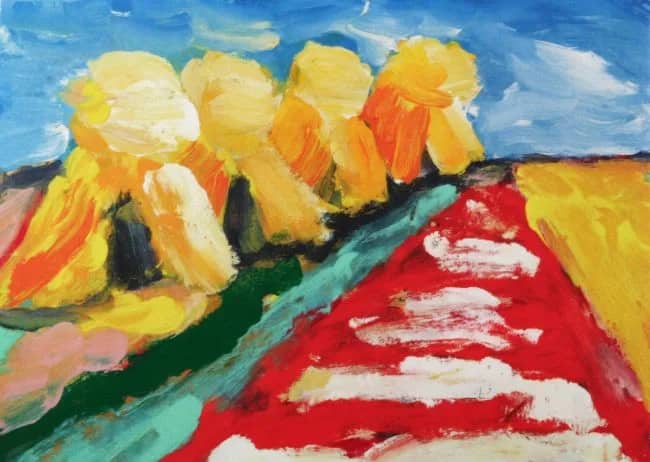
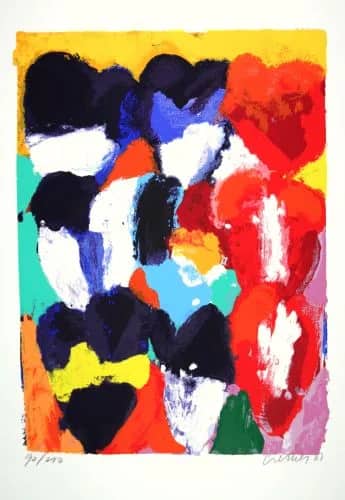
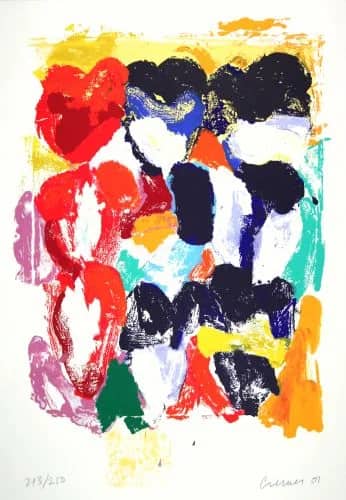
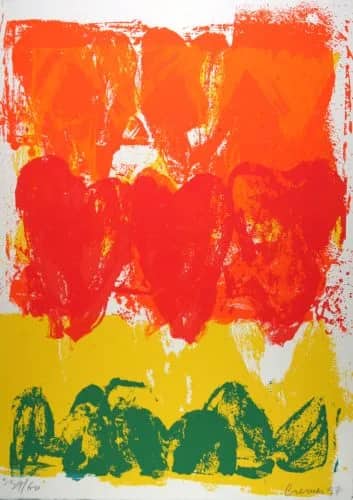
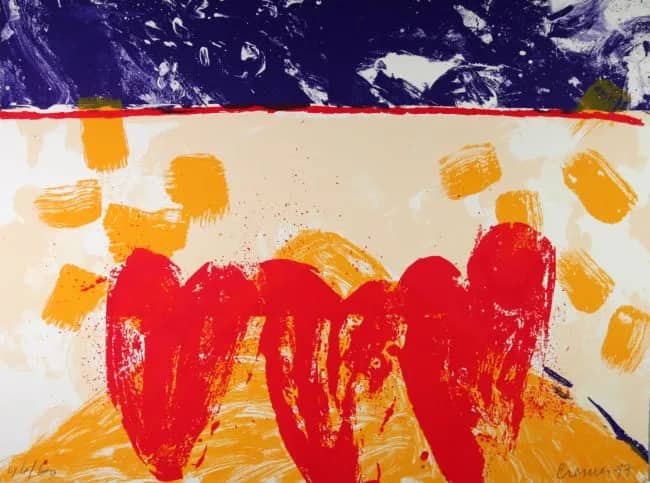
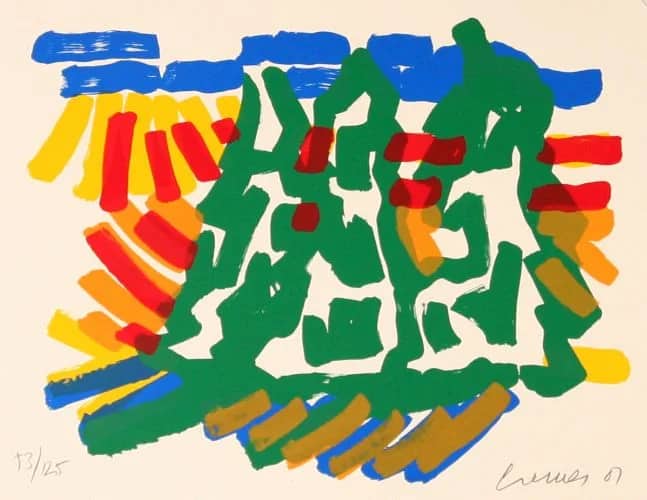
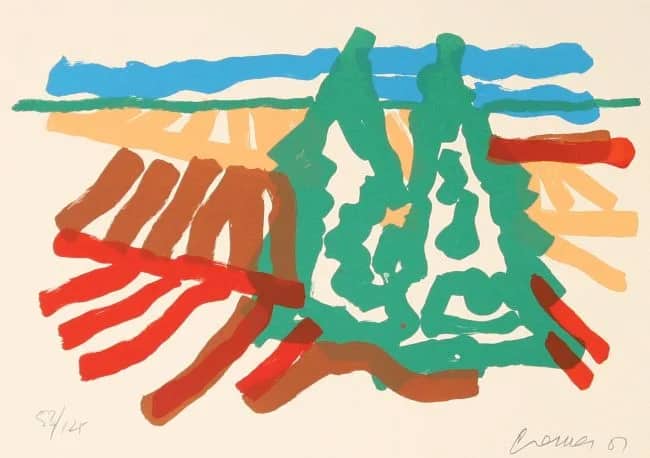
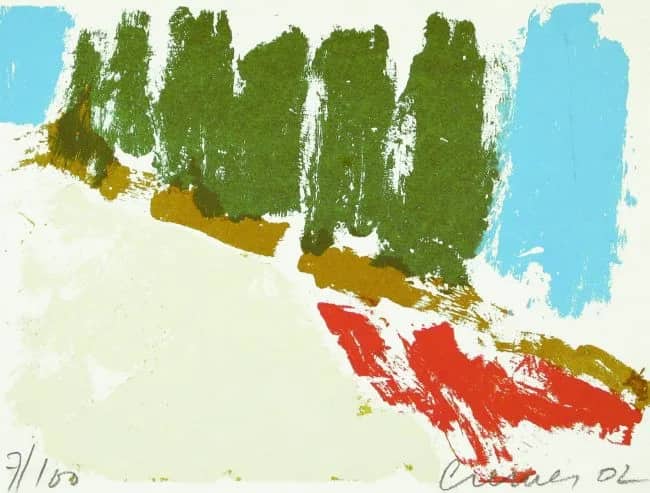
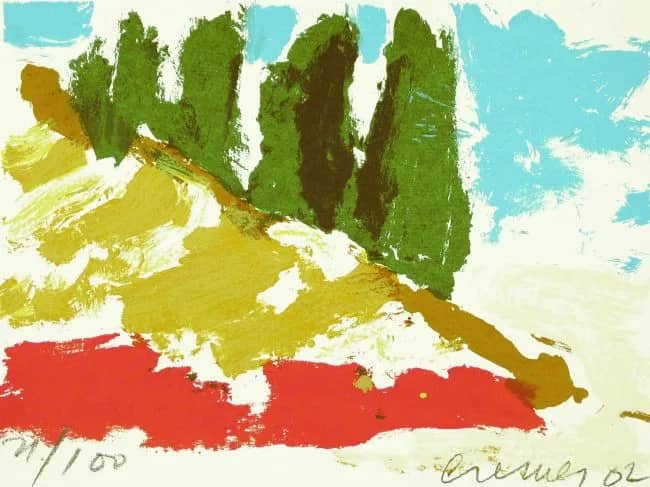
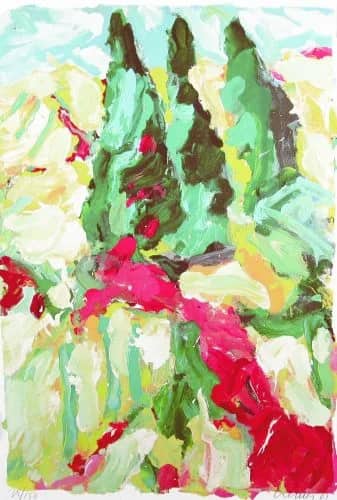
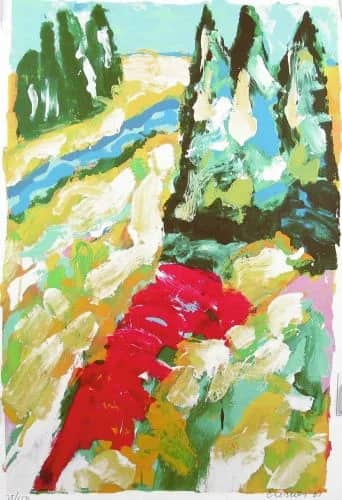
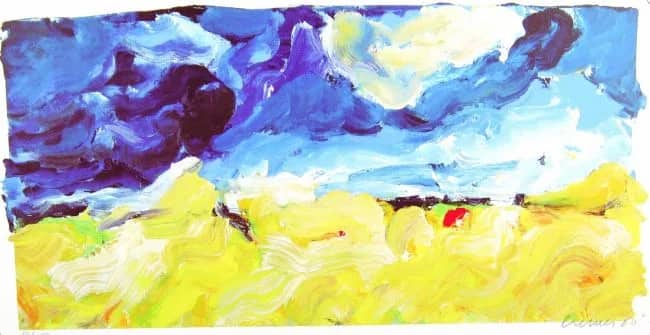
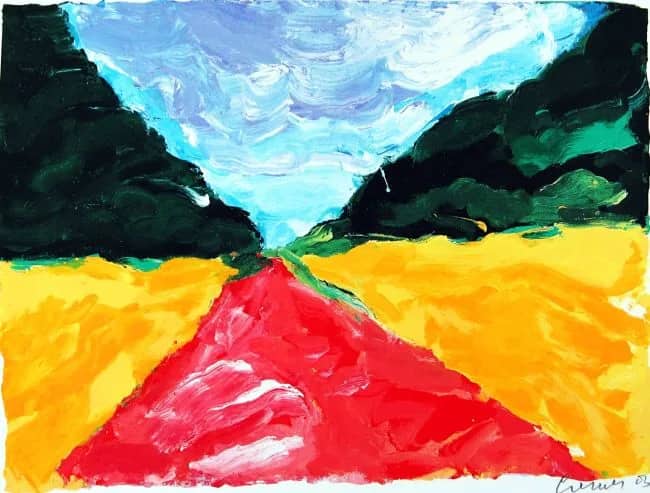
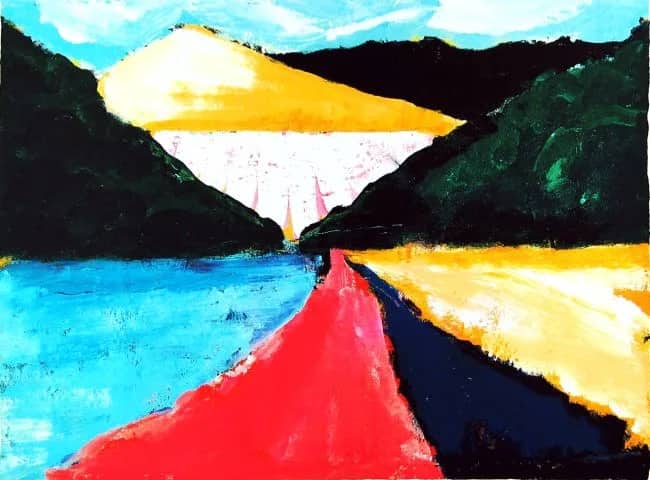
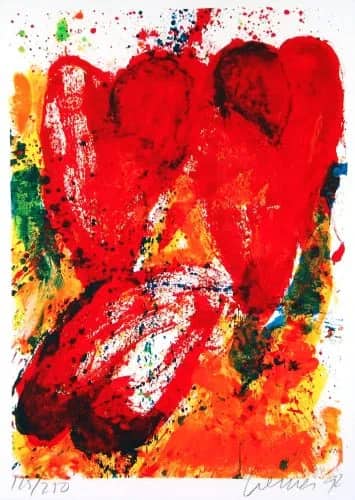
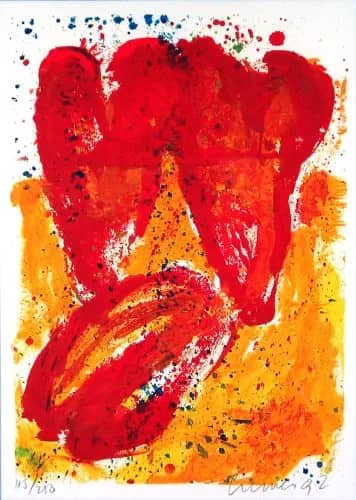
Jan Cremer (1940) is both a writer and a visual artist, known for his powerful, pop-art-inspired paintings featuring tulips, flags and landscapes. His work is bold, colourful and unmistakably Dutch. At Kunstuitleen.nl you can rent or buy work by Jan Cremer, free on trial at home.
24 artworks in our collection
Painter and writer Jan Cremer (Enschede, 1940) has specialized in graphic techniques alongside free painting and sculpture since the very beginning of his studies at the various art academies he attended. He was first introduced to these techniques as a student of Johan Haanstra at the Academy of Visual Arts and Industry (AK) in Enschede, where he created his first linocuts in 1955. At the “Kunstoefening” Academy in Arnhem in 1956, he learned the basics of lithography from Hendrik Valk. Later, at the academies in The Hague and Paris as a student of Paul Citroen and Ossip Zadkine, he honed his skills primarily in lithography. In 1957, he painted the first of a series of canvases that would become known as *Peinture Barbarisme*. In 1958, he held his first solo exhibition at Galerie de Posthoorn in The Hague, joined the Posthoorngroep, and assisted Willem Hussem. His participation in the Hague Salon (1958) caused a scandal. A year later, he exhibited at the Hague Municipal Museum, and in 1960 at the Stedelijk Museum in Amsterdam. Dozens of exhibitions followed, both at home and abroad. With a grant from the French government, he left for Paris in 1959, where he ended up on Rue Santeuil, the famous leather warehouse housing the studios of Bogart, Appel, Corneille, and others, where he assisted Bram Bogart. In 1955, the young Cremer assisted Karel Appel with his mural on the E55 in Rotterdam. From 1961 to 1963, he lived and worked in Ibiza, where he was part of the Grupo Ibiza alongside K.F. Dahmen and Erwin Bechtold, among others. In Paris in the early 1960s, Cremer worked at the Jean Pons graphic arts studio. Beginning in 1961, he also collaborated with the Amsterdam master printer Piet Clement, and from 1967 onward in Paris with Peter Bramsen of the renowned lithography studio Clot, Bramsen & Georges. Many people recall the sensational international headlines about the “rebel painter,” years before *Ik Jan Cremer* was published. In 1960, he made headlines around the world with his million-dollar painting *La Guerre japonaise* and caused a moral outcry with his infamous statement on Dutch television: “REMBRANDT, WHO IS THAT?” Following the 1964 publication of his unrelenting—and later worldwide—bestseller, the painter Cremer found himself overshadowed by the writer Cremer. His permanent move to America in 1965 caused his visual art to temporarily fade into the background in the Netherlands. In New York, he began painting Dutch landscapes. This highly colorful and, above all, tightly composed “Dutch Realism”—featuring cows, farmwomen, and tulip fields—marked a break from the strongly abstract expressionist work of previous years. The theme of Dutch landscapes recurs throughout Cremers’ entire body of work, but the steppes, deserts, and mountain ranges of Siberia and Mongolia—regions he traveled to frequently—also served as a constant source of inspiration. Similarly, the landscapes of southern France and Italy remain the “classic” themes in which he sometimes immerses himself for months on end.
Artwork by Jan Cremer
€ 37,03 per month
(of which 50% saving credit)
€ 35,39 per month
(of which 50% saving credit)
€ 30,86 per month
(of which 50% saving credit)
€ 42,65 per month
(of which 50% saving credit)
€ 50,82 per month
(of which 50% saving credit)
€ 49,01 per month
(of which 50% saving credit)
€ 54,45 per month
(of which 50% saving credit)
€ 24,50 per month
(of which 50% saving credit)
€ 24,50 per month
(of which 50% saving credit)
€ 17,79 per month
(of which 50% saving credit)
€ 17,79 per month
(of which 50% saving credit)
€ 51,73 per month
(of which 50% saving credit)
€ 51,73 per month
(of which 50% saving credit)
€ 37,03 per month
(of which 50% saving credit)
€ 46,28 per month
(of which 50% saving credit)
€ 46,28 per month
(of which 50% saving credit)
€ 29,04 per month
(of which 50% saving credit)
€ 29,04 per month
(of which 50% saving credit)
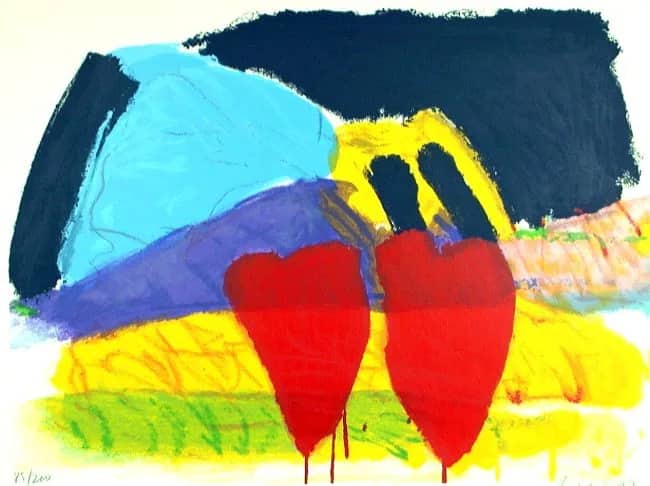
€ 40,84 per month
(of which 50% saving credit)
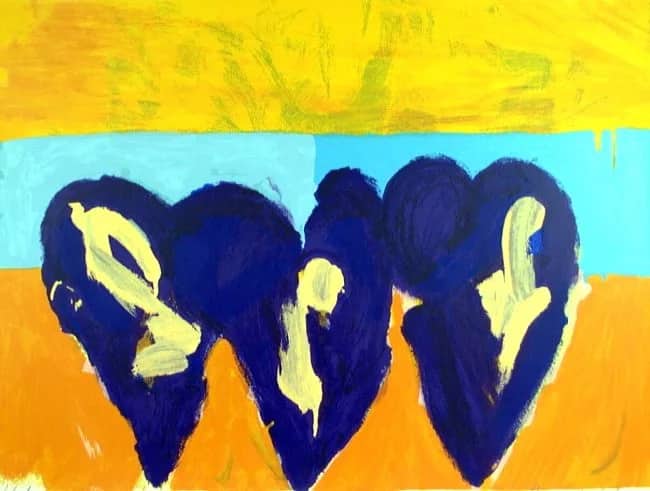
€ 40,84 per month
(of which 50% saving credit)
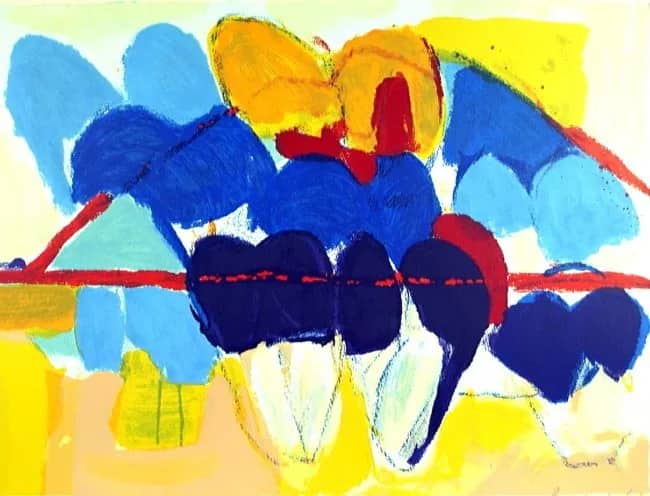
€ 40,84 per month
(of which 50% saving credit)
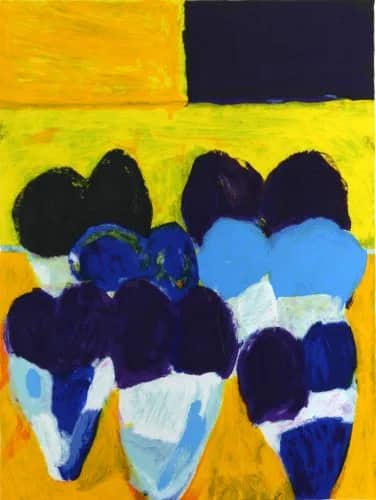
€ 40,84 per month
(of which 50% saving credit)
€ 20,87 per month
(of which 50% saving credit)
Discover more at Kunstuitleen.nl: Collection · Artists · How it works · Art for business